Master Financial Crises: 2008 Lessons for Today's Survival
A modern illustration of Ottawa’s financial district showcasing high-rise buildings and economic growth.
Introduction
Financial crises can have profound and long-lasting effects on the global economy. Comparing the current financial crisis with the 2008 crisis provides valuable insights into the key differences and lessons learned. This article explores the causes, impacts, and policy responses associated with both crises, highlighting critical distinctions and examining how lessons from 2008 can guide policymakers in addressing today’s financial challenges.
Understanding the 2008 Financial Crisis
Causes and Contributing Factors
The 2008 financial crisis, known as the Great Recession, was triggered by the collapse of the U.S. housing market bubble and the subsequent failure of mortgage-backed securities. Contributing factors included excessive risk-taking by financial institutions, lack of transparency in the financial system, and inadequate regulation and oversight.
Impact on the Global Economy
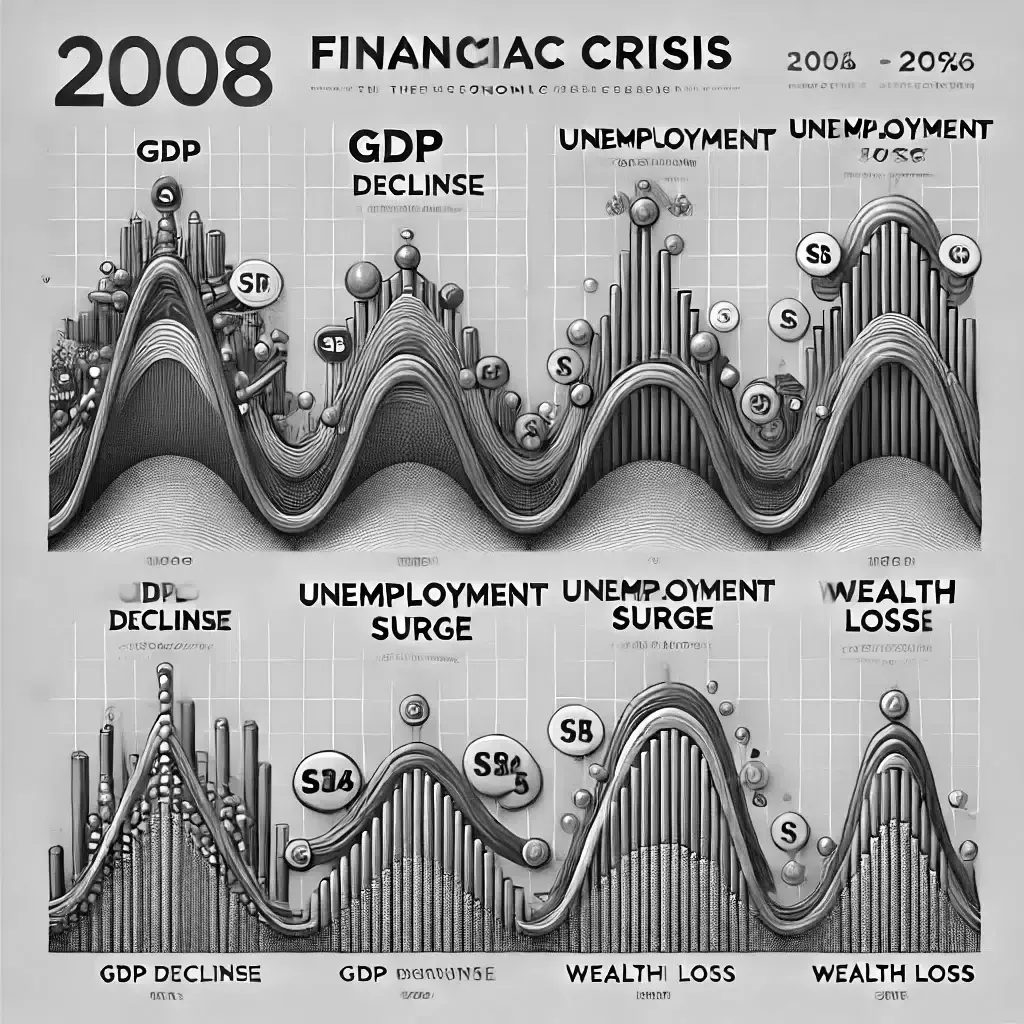
The 2008 crisis had far-reaching impacts on the global economy, including significant declines in GDP, soaring unemployment rates, and massive losses in wealth. The crisis exposed vulnerabilities in the global financial system, prompting a period of economic contraction and stagnation.
Government and Regulatory Responses
Governments and central banks worldwide implemented measures to stabilize financial markets and stimulate economic growth. These included monetary policy interventions like quantitative easing and lowering interest rates, as well as fiscal stimulus programs. Additionally, new regulations and reforms enhanced financial oversight, improved transparency, and reduced systemic risk.
The Current Financial Crisis
Causes and Contributing Factors
The current financial crisis involves economic, geopolitical, and social factors creating uncertainty and instability. Factors include high debt levels, economic inequality, trade disputes, and the ongoing impact of the COVID-19 pandemic.
Impact on the Global Economy
The current crisis has widespread effects, with reduced economic growth, increased unemployment, market volatility, and heightened financial stress among individuals, businesses, and governments.
Government and Regulatory Responses
Governments and central banks are employing various policy measures to address the current crisis, stabilize financial markets, support economic growth, and mitigate negative effects. These measures include monetary policy interventions, fiscal stimulus programs, and targeted support for vulnerable sectors and populations.
Key Differences Between the Two Crises
Root Causes and Triggers
The 2008 crisis was driven by the U.S. housing market collapse and mortgage-backed securities failure. The current crisis has a more complex set of factors, such as high debt levels, trade disputes, and COVID-19’s lingering effects.
Role of Financial Institutions and Markets
In 2008, financial institutions and markets played a central role, with excessive risk-taking, lack of transparency, and inadequate regulation contributing to the crisis. The current crisis is less directly tied to financial institutions’ actions, with broader economic, social, and geopolitical forces at play.
Government and Central Bank Interventions
Both crises prompted government and central bank interventions, but the nature and scale of these measures differ. Lessons from 2008 influence policy responses to the current crisis, emphasizing systemic risks, enhancing financial stability, and promoting inclusive economic growth.
Socioeconomic and Geopolitical Implications
The socioeconomic and geopolitical implications of the two crises differ, with the current crisis potentially having more diverse consequences. COVID-19 has exposed and exacerbated existing inequalities, challenging policymakers to address immediate economic fallout and broader societal implications.
Lessons Learned from the 2008 Crisis and Their Application to the Current Crisis
Strengthening Financial Regulation and Oversight
One key lesson from 2008 is the importance of robust financial regulation and oversight to maintain stability and prevent excessive risk-taking. Policymakers can apply this lesson to the current crisis by enhancing regulatory frameworks, ensuring transparency, and monitoring systemic risks.
Managing Systemic Risk and Financial Stability
The 2008 crisis highlighted the need for effective management of systemic risks and financial stability. This lesson guides policymakers in implementing measures that minimize future crises, such as macroprudential policies and stress testing for financial institutions.
Fostering Economic Resilience and Inclusive Growth
The aftermath of the 2008 crisis underscored the importance of fostering economic resilience and inclusive growth to reduce vulnerability to future shocks. Policymakers can apply this lesson by prioritizing policies promoting sustainable and equitable economic growth, such as investing in infrastructure, education, and social safety nets.
The Path Forward: Addressing the Challenges of the Current Financial Crisis
Prioritizing Financial Stability and Sustainable Growth
To navigate the current crisis, policymakers must prioritize financial stability and sustainable growth. This involves monetary, fiscal, and regulatory measures to stabilize financial markets, support economic recovery, and address underlying vulnerabilities.
Enhancing International Cooperation and Coordination
Addressing the current crisis requires effective international cooperation. Countries can share resources, knowledge, and best practices and develop coordinated policy responses. Strengthening international collaboration can mitigate negative impacts and promote a resilient and stable global economy.
Adapting to a Rapidly Changing Economic Landscape
The current crisis highlights the need for adaptability. Policymakers, businesses, and individuals must respond to evolving challenges and seize new opportunities. Embracing innovation, fostering lifelong learning, and promoting economic diversification can build resilience.
Conclusion
The current financial crisis presents unique challenges and opportunities compared to 2008. By examining key differences and applying lessons from 2008, policymakers can better understand the current crisis and develop effective strategies. Prioritizing financial stability, sustainable growth, and international cooperation will be essential in navigating the crisis and building a resilient and inclusive global economy.
Be sure sure to follow **Khaled (Kal) Hawari **on the following sites!

Written by