AI in Accounting: Transforming the Financial Landscape in Ottawa
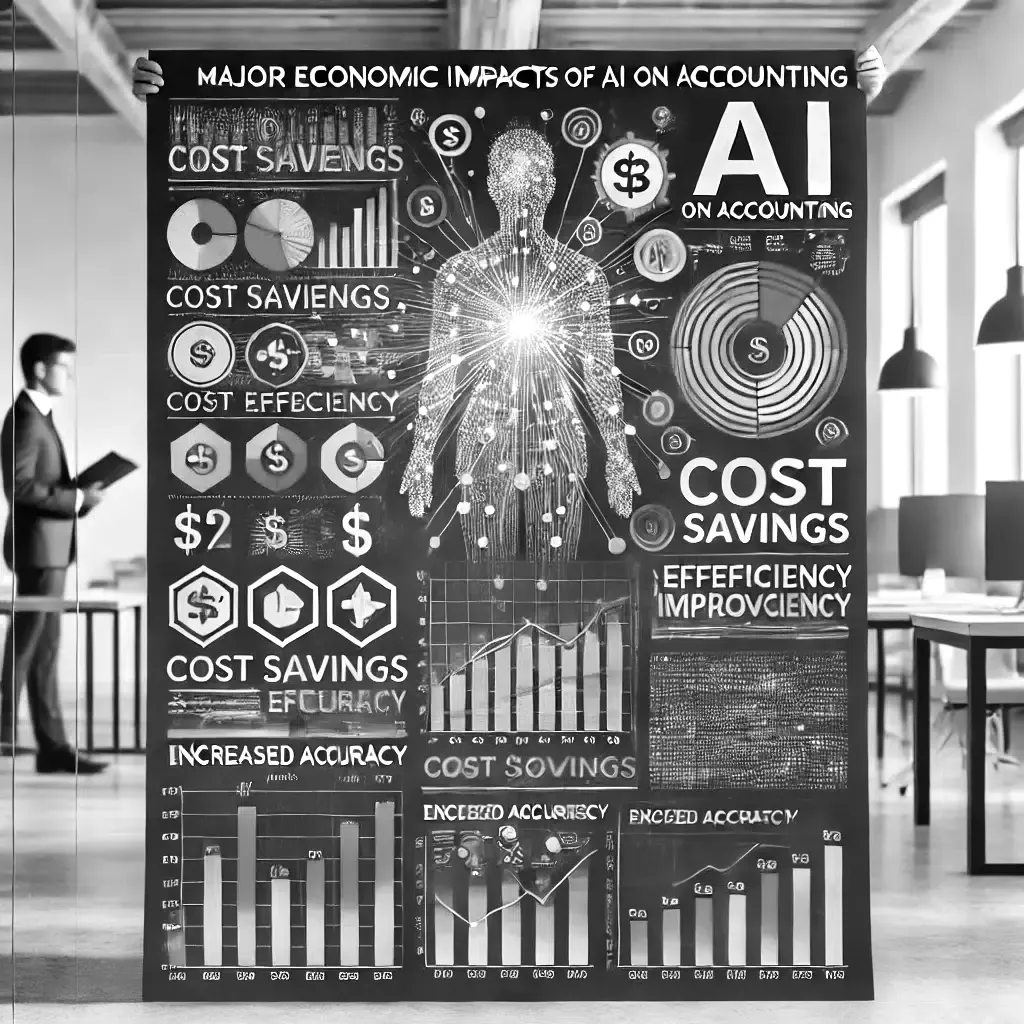
Financial analysts engaged in discussions around screens displaying complex data and graphs in a modern office.
Introduction
Artificial Intelligence (AI) in Accounting has emerged as a groundbreaking force within the financial industry, particularly in Ottawa. This revolutionary technology challenges traditional financial systems by introducing new possibilities for financial inclusion, transparency, and efficiency. By leveraging advanced algorithms and machine learning, AI provides an open, decentralized alternative to conventional financial services. This article explores the impact of AI in accounting in Ottawa, its core principles, benefits, challenges, and future prospects, emphasizing its potential to reshape the financial landscape in the city.
Understanding AI in Accounting
Core Principles of AI in Accounting
AI in accounting operates on advanced algorithms and machine learning techniques. These systems remove intermediaries, providing transparent, auditable, and accessible financial services. Unlike traditional finance, AI promotes financial inclusivity and democratizes access to financial tools.
Technologies Underpinning AI in Accounting
- AI Algorithms in Accounting: The backbone of AI in Accounting, providing a decentralized ledger for transparent and immutable transactions.
- Smart Contracts in Accounting: Self-executing contracts with the terms of the agreement written directly into code, facilitating automated and trustless financial transactions.
Benefits and Opportunities of AI in Accounting in Ottawa
Accessibility and Financial Inclusion in Ottawa
Firstly, AI in Accounting empowers the unbanked and underbanked populations in Ottawa by providing access to financial services without the need for a traditional bank account. This democratization of finance can significantly impact global financial inclusion, especially in developing regions. For example, AI-driven mobile banking applications can reach remote areas, offering financial services to those previously excluded.
Transparency and Trust in AI Accounting
Moreover, by removing intermediaries, AI enhances transparency and trust in Ottawa’s financial sector. Every transaction is recorded on a public ledger, reducing the risk of fraud and corruption. This transparency fosters greater trust among users and regulators alike. For instance, real-time auditing capabilities enabled by AI can detect discrepancies immediately, ensuring the integrity of financial records.
Lower Costs and Greater Efficiency with AI Accounting
Furthermore, AI in Accounting streamlines financial transactions by eliminating intermediaries and reducing associated fees. This efficiency results in lower costs for users in Ottawa, making financial services more affordable and accessible. For example, AI-powered automated invoicing systems can significantly reduce administrative costs for businesses.
Innovative Financial Products and Services in Ottawa
AI has also introduced a range of innovative financial products and services, such as:
- AI-Driven Lending Platforms in Ottawa: Platforms like Aave and Compound allow users to lend and borrow assets without intermediaries.
- AI-Based Exchanges (AIXs) in Ottawa: Uniswap and SushiSwap enable peer-to-peer trading of cryptocurrencies.
- Yield Farming and Staking in Ottawa: Users can earn rewards by providing liquidity or staking their assets.
Challenges and Risks of AI in Accounting in Ottawa
Regulatory Concerns for AI in Ottawa
However, navigating the regulatory landscape is a significant challenge for AI projects in Ottawa. Compliance with varying regulations across jurisdictions is essential to avoid legal repercussions and promote mainstream adoption. For example, ensuring AI systems adhere to data privacy laws like GDPR is crucial for their acceptance.
Security Vulnerabilities in AI
Additionally, AI platforms in Ottawa are susceptible to smart contract exploits and hacking attempts. Ensuring robust security measures and conducting regular audits are crucial to protecting user funds and maintaining trust. For instance, multi-factor authentication and advanced encryption techniques can enhance the security of AI-driven financial platforms.
Market Volatility in AI
The AI market is also highly volatile, with price fluctuations and potential manipulation risks. Mechanisms to maintain stability and protect investors are necessary to mitigate these risks in Ottawa. For example, implementing AI-driven market analysis tools can help predict and manage volatility more effectively.
User Education and Adoption of AI
Lastly, widespread adoption of AI in Ottawa requires comprehensive user education to overcome barriers and ensure users understand the risks and benefits of decentralized financial systems. For example, financial literacy programs can help users navigate AI-driven financial tools confidently.
The Future of AI in Accounting in Ottawa
Integration with Traditional Finance in Ottawa
Looking ahead, AI in accounting and traditional finance in Ottawa are likely to coexist and collaborate, creating a hybrid financial ecosystem. Partnerships with established financial institutions can facilitate the integration of AI solutions into traditional banking systems. For example, banks may adopt AI-driven credit scoring systems to enhance their lending processes.
Scaling Solutions for AI
Scalability remains a critical issue for AI platforms in Ottawa. Solutions like Ethereum 2.0 and layer-2 protocols aim to increase transaction throughput and reduce fees, supporting the widespread adoption of AI. For instance, layer-2 solutions like Rollups can process thousands of transactions off-chain, reducing the load on the main blockchain.
Interoperability and Cross-Chain Compatibility in AI
Furthermore, interoperability between different blockchain networks is essential for a cohesive AI ecosystem in Ottawa. Cross-chain solutions enable seamless interaction between various AI platforms, enhancing user experience and liquidity. For example, Polkadot’s interoperability framework allows different blockchains to communicate and share data seamlessly.
Governance and Self-Regulation in AI
Decentralized governance models and self-regulation frameworks are crucial for the stability and sustainability of AI protocols in Ottawa. Community-driven governance can ensure transparency and adaptability. For instance, decentralized autonomous organizations (DAOs) enable stakeholders to vote on important decisions, ensuring democratic and transparent governance.
Conclusion
In conclusion, AI in accounting represents a transformative force within Ottawa’s financial industry, offering a new vision for the future of finance. By embracing transparency, accessibility, and innovation, AI has the potential to redefine traditional financial systems. However, challenges such as regulation, security, and adoption must be addressed for widespread acceptance and long-term success. With careful navigation and continuous advancements, the transformative power of AI can reshape the financial landscape and empower individuals globally.vigation and continuous advancements, the transformative power of AI can reshape the financial landscape and empower individuals globally.
Be sure sure to follow **Khaled (Kal) Hawari **on the following sites!

Written by